Notable Figures
Distinguished members of the von Gerlach family
Over the centuries, the von Gerlach family produced outstanding individuals who shaped Prussia and Germany in law, the military, and politics. Three figures stand as representatives of the family's influence during its 19th-century prime.
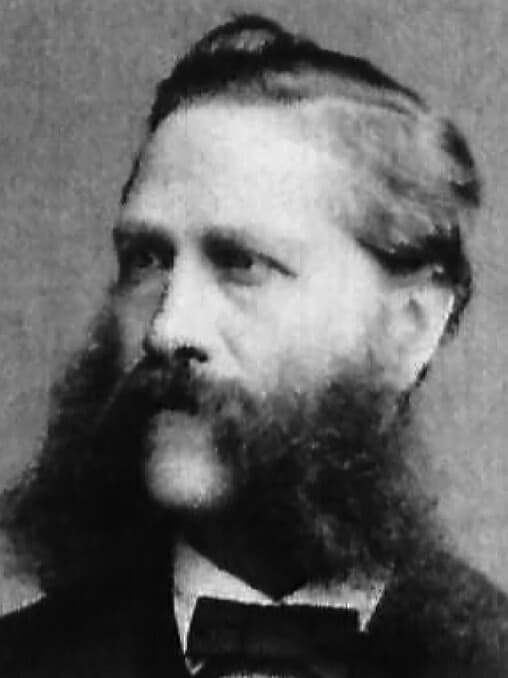
Ernst Ludwig von Gerlach
1795 – 1877
Jurist · Conservative Politician · President OLG Magdeburg
Estate: Gut Rohrbeck (Neumark)

Photo: Wikimedia Commons
Ernst Ludwig von Gerlach, the fourth child of Privy Councillor Carl Friedrich Leopold von Gerlach (the purchaser of Gut Rohrbeck), was born on 7 March 1795 in Berlin. He studied law in Berlin, Göttingen and Heidelberg, served as a volunteer in the Wars of Liberation against Napoleon, and was wounded three times. As a judge he rose to President of the Higher Regional Court (OLG) in Magdeburg (1844–1874). Politically he was one of the main founders of the Prussian Conservative Party; in the House of Representatives he led the extreme right (»Fraktion Gerlach«) from 1855 to 1858. Together with his brother Leopold he shaped the monarchist-Christian Kreuzzeitung Party. On 18 February 1877 he died as a result of a carriage accident on the Schöneberger Bridge in Berlin.
Chronicle
- 1795
Born in Berlin as son of Carl Friedrich Leopold von Gerlach.
- 1810–1815
Law studies in Berlin, Göttingen and Heidelberg; wounded three times as a volunteer in the Wars of Liberation.
- 1823
Higher Regional Court Councillor (Oberlandesgerichtsrat) in Naumburg.
- 1834
Vice President of the Higher Regional Court in Frankfurt/Oder.
- 1844
President of the Higher Regional Court in Magdeburg (until 1874).
- 1852–1877
Member of the Prussian House of Representatives; 1855–1858 chairman of the extreme right (»Fraktion Gerlach«).
- 1877
Death on 18 February following a carriage accident on the Schöneberger Bridge in Berlin.
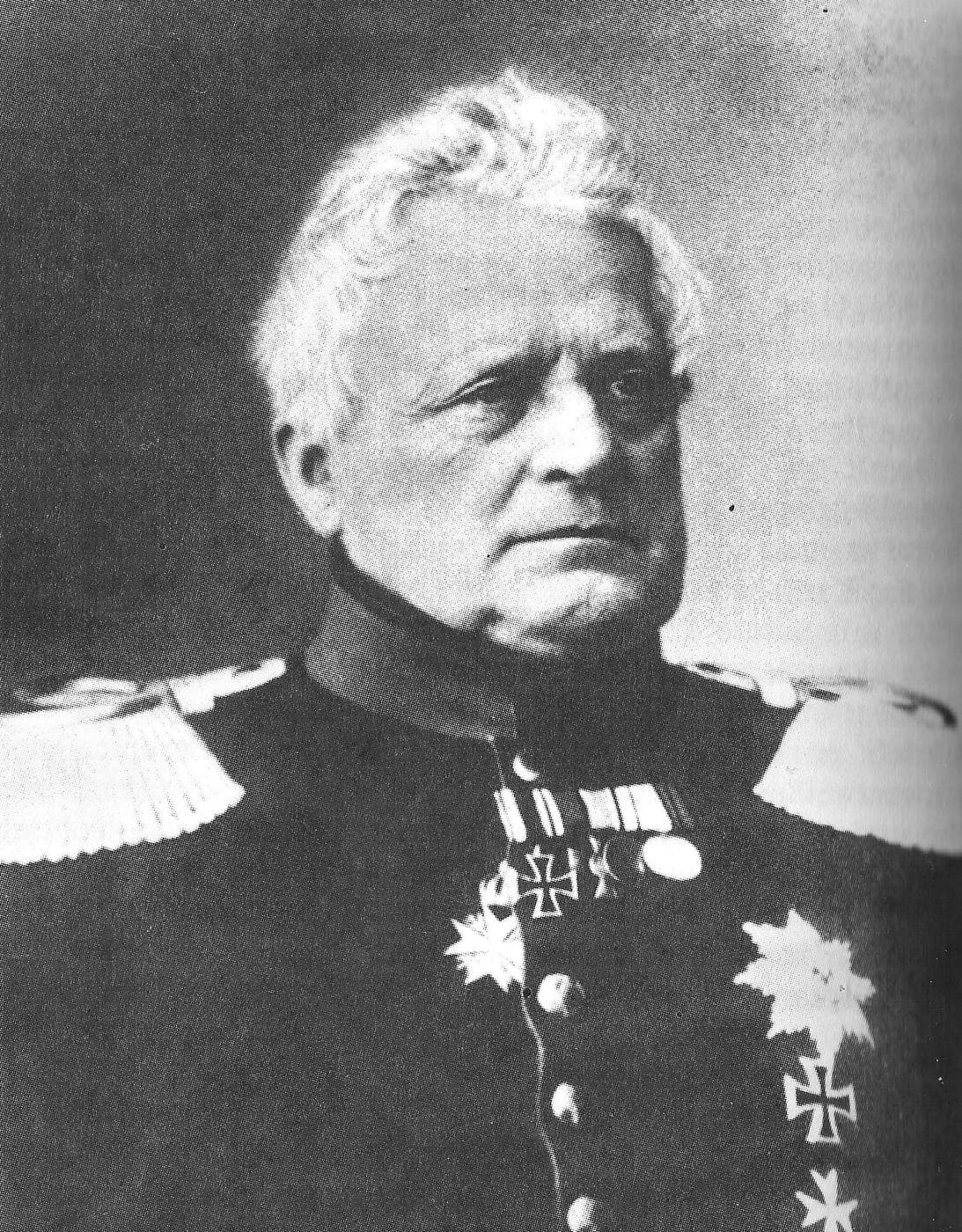
Leopold von Gerlach
1790 – 1861
Prussian General · Aide-de-camp General to Friedrich Wilhelm IV
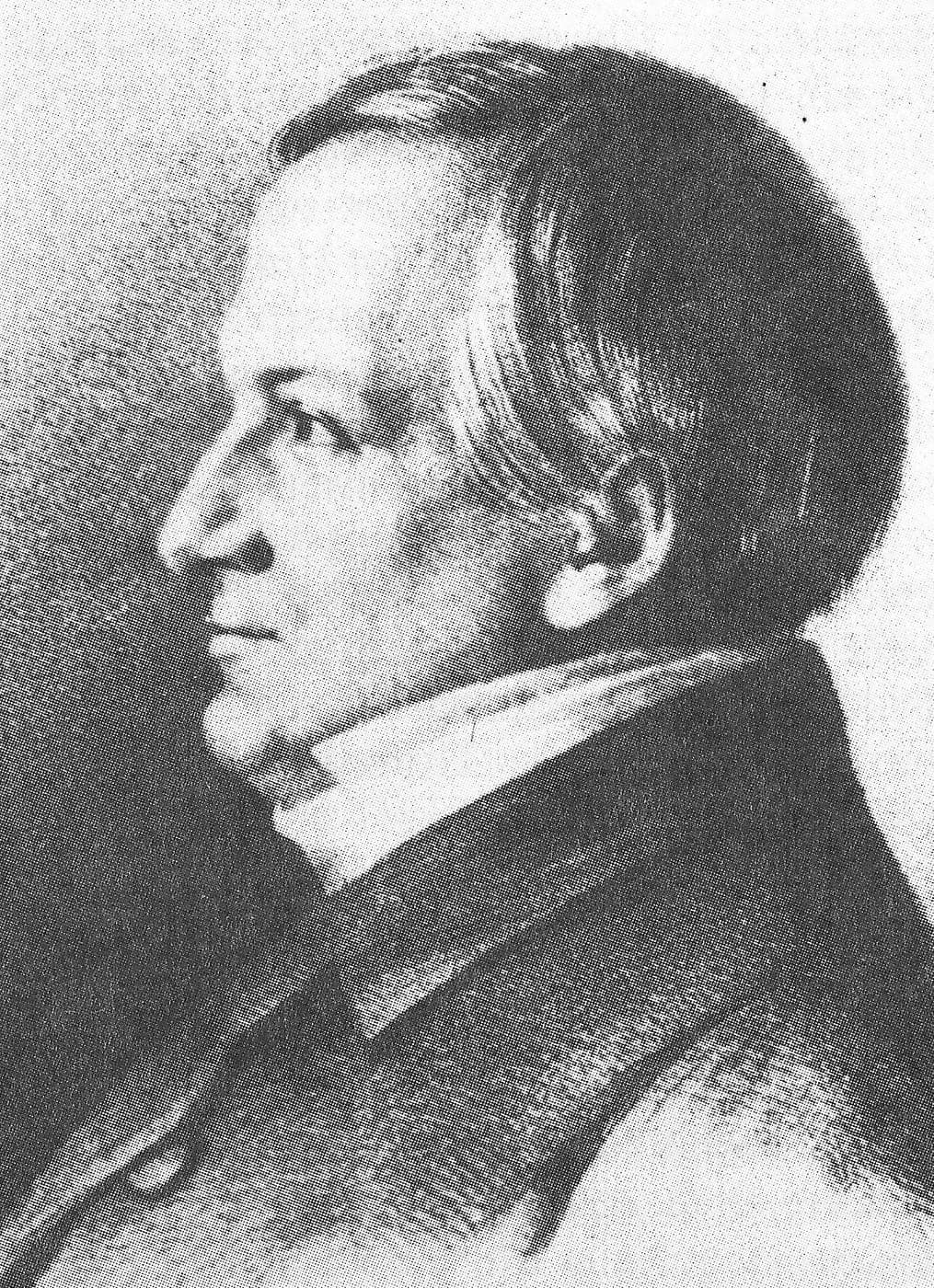
Estate: Gut Rohrbeck (Neumark)

Photo: Wikimedia Commons
Ludwig Friedrich Leopold von Gerlach, eldest brother of Ernst Ludwig, was born on 17 September 1790 in Berlin. As Aide-de-camp General to King Friedrich Wilhelm IV he was one of the most powerful political advisers in Prussia during the reactionary phase following the Revolution of 1848. The indecisive king preferred his private counsel to that of his ministers – and Leopold von Gerlach was the most influential among them. Together with his brother Ernst Ludwig he shaped the conservative Kreuzzeitung Party, regarding themselves as guardians of a Christian-monarchist state order. He died on 10 January 1861 in Potsdam of a cold caught while walking bareheaded for hours behind Friedrich Wilhelm IV's funeral cortège.
Chronicle
- 1790
Born in Berlin as the eldest son of Carl Friedrich Leopold von Gerlach.
- 1813–1815
Participation in the Wars of Liberation against Napoleon.
- 1844
Promoted to Generalmajor.
- 1849
Generalleutnant and Aide-de-camp General to King Friedrich Wilhelm IV.
- 1850
Officially appointed Aide-de-camp General; chief private adviser to the Crown after 1848.
- 1861
Death on 10 January in Potsdam of a cold caught during Friedrich Wilhelm IV's funeral cortège.
Carl August von Gerlach-Parsow
1883 – 1945
Last fideicommiss lord of Parsow · Schwemmin · Drosedow
Estate: Schloss Parsow (Hinterpommern)
Carl August von Gerlach-Parsow was the last lord of Schloss Parsow and Rittergut Schwemmin, married to Ruth von Bonin-Bottschow. In his hands were united all the family's Pomeranian holdings: Parsow (727 ha), Schwemmin (773 ha) and Drosedow (~1,330 ha). Under his direction the ensemble of Schloss Parsow was comprehensively renovated and unified in 1922. In spring 1945 the Red Army occupied the estates. Carl August von Gerlach-Parsow was abducted and murdered. With him the Gerlach estate succession in Hinterpommern came to an end.
Chronicle
- 1883
Born as son of the fideicommiss lord of Parsow-Schwemmin.
- 1922
Comprehensive renovation of Schloss Parsow under his direction.
- bis 1945
Parsow, Schwemmin and Drosedow in one hand – the entire Pomeranian family holdings (~2,830 ha).
- 1945
Occupation by the Red Army. Abduction and murder. End of the Gerlach estate succession in Pomerania.